
Miami Has Grown Fast. What Comes Next?
On November 18, the Miami 2050 Leaders Forum brings together leaders to discuss what kind of urban center the city wants to be in the decades ahead.
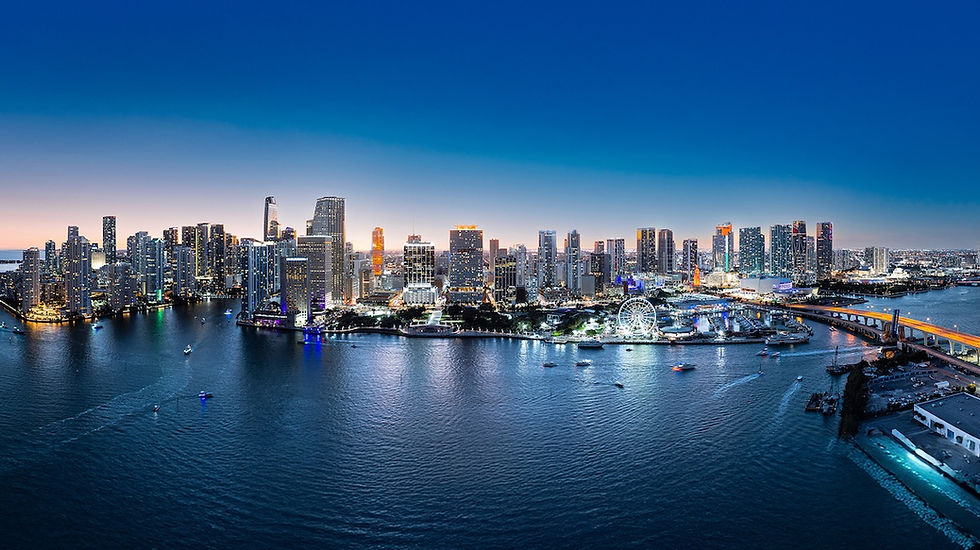
Miami has already won the world’s attention.
In recent years, the city has drawn companies, investors, family offices, executives, new residents, and an unprecedented volume of real estate capital. The effect shows in the skyline, the neighborhoods, and the economy of the central city. According to the Miami DDA, Greater Downtown Miami is home to more than 101,000 residents and roughly 155,000 jobs. The population has grown about 68% since 2012, and employment rose 25% between 2012 and 2023.
The center has also changed function. Downtown, which used to empty out after business hours, now combines housing, offices, restaurants, culture, entertainment, and tourism. That transformation has raised the region’s economic value and made the next decisions more complex. The question now is how to accommodate growth while preserving efficiency, access, and urban quality.
The City After the Boom
The Miami DDA is updating the Downtown Miami Master Plan with a 2050 horizon, focusing on the Central Business District and the Flagler District. The starting point is a different reality from the one earlier plans faced: more density, more capital, more residents, and greater pressure on mobility, infrastructure, and public space.
Questions that took a back seat during the expansion are returning. How long does a professional spend getting to work? What does it cost to live near it? Does Downtown work for people who live there all week, or only for those who can afford the most valuable addresses? How does a coastal city keep growing when insurance, flooding, and climate adaptation weigh directly on real estate and financial decisions?
For businesses, the answers are practical. Access to talent, commute times, housing, and the quality of the urban environment shape a city’s competitiveness as much as its ability to attract headquarters. Developers and investors, in turn, need to factor climate risk, infrastructure, and neighborhood capacity into long-term projects.
The DDA’s 3D Development Pipeline Map helps make that complexity visible. It shows existing stock, projects under construction, and future proposals, along with zoning and mobility data, revealing where growth is concentrating and how each new project reshapes its surroundings. Finance, technology, luxury, hospitality, and international business have also placed Miami in a global contest for companies, professionals, and capital, which raises the bar for what sustains that position.
The Forum
The Miami 2050 Leaders Forum takes place on November 18, at 6pm. Hosted by Experience Club US in partnership with the Miami DDA, Delta Wheels Up, BB Americas Bank and Microsoft the event examines which decisions made now will shape how the city works, grows, and competes in the decades ahead.
Miami’s next chapter will be written by what the city does with the capital, talent, and attention it has won.


Comments